Shameless
Self Promotion

We do some pretty great stuff. We can’t help but share it.

Buying and selling on the same day may sound efficient, but in real estate, it often creates unnecessary stress. One of the best ways to make a move smoother is to stagger your closing dates — letting your purchase close before your sale. If there’s a gap, bridge financing can help by giving you temporary access to the equity in your current home before it officially sells. The real advantage is breathing room. Instead of coordinating movers, funding, keys, paperwork, and cleanouts in one frantic day, you gain valuable time and flexibility. For many buyers, bridge financing is surprisingly affordable and well worth the peace of mind it provides.
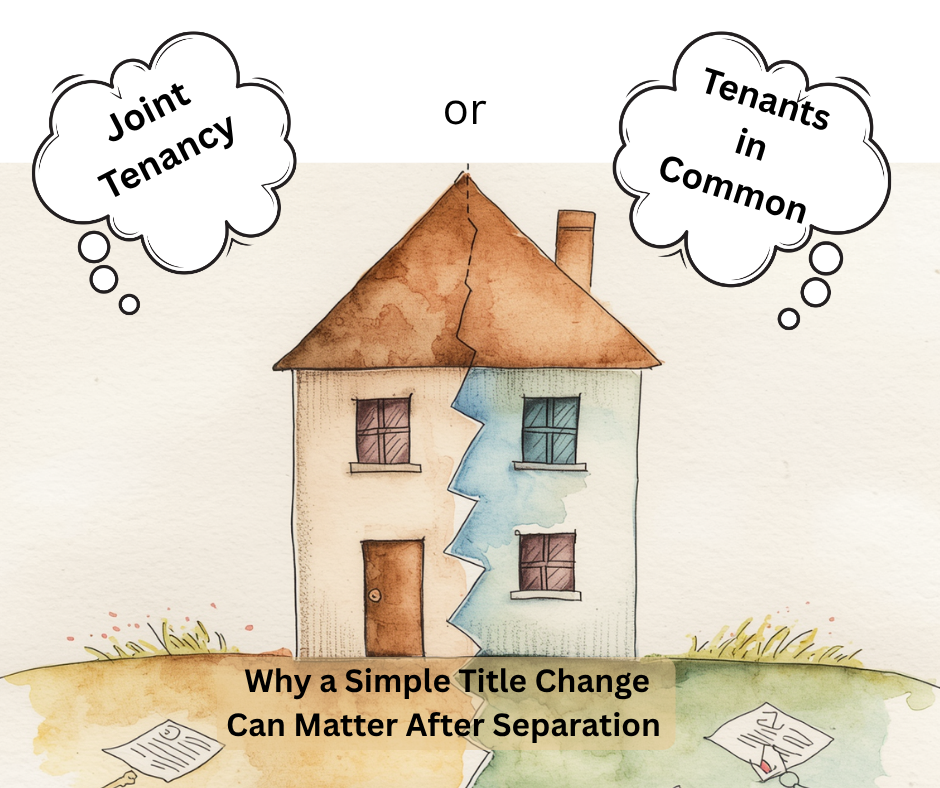
A simple change in how property is owned can have significant legal consequences—especially after a separation. Joint tenancy includes a right of survivorship, meaning ownership automatically passes to the other person on death. Severing that joint tenancy creates a tenancy in common, where each person’s share forms part of their estate instead. While this shift can help protect individual interests and align with estate planning goals, it doesn’t resolve broader family law issues—particularly when it comes to matrimonial homes and possession rights. If you’re separating and jointly own property, timing and proper legal advice are key to avoiding unintended outcomes.
It’s common to name children as life insurance beneficiaries—but without proper planning, it’s not as straightforward as it seems. This blog breaks down what actually happens and how to set things up the right way.
A notice arrives: a road, pipeline, or transmission line needs part of your land. Take a breath. Expropriation is legal, but it’s also tightly regulated and built around compensation. The law’s goal isn’t to strike a bargain—it’s to make owners whole for what’s taken and what’s disrupted. The key is understanding the process early and building the evidence that protects your land, your operations, and your future.
When couples separate, they usually focus on property division, parenting arrangements, and support, but tax debt is often overlooked. While income tax is generally a personal responsibility, a little-known rule in the Income Tax Act can allow the CRA to pursue one spouse for the other’s unpaid taxes after separation. Understanding this risk early can help you avoid costly surprises.
The Ross Firm is proud to announce that Rebecca Kloosterman, a senior member of our family law team, is now licensed as a Family Legal Services Provider (FLSP). As part of the Law Society of Ontario’s first cohort of FLSPs, Rebecca’s expanded scope allows her to assist clients with select family law matters, offering more efficient, accessible, and affordable legal support across Ontario. This milestone reflects TRF’s ongoing commitment to innovation and improving access to justice for the families we serve.

What is an Intake Form?

We offer tailored Intake Forms to address your specific legal needs. Choose from our Estate Planning Information Form or Family Intake Form to provide key details about your case. This helps us prepare effectively and offer you personalized legal support. All information is kept strictly confidential.